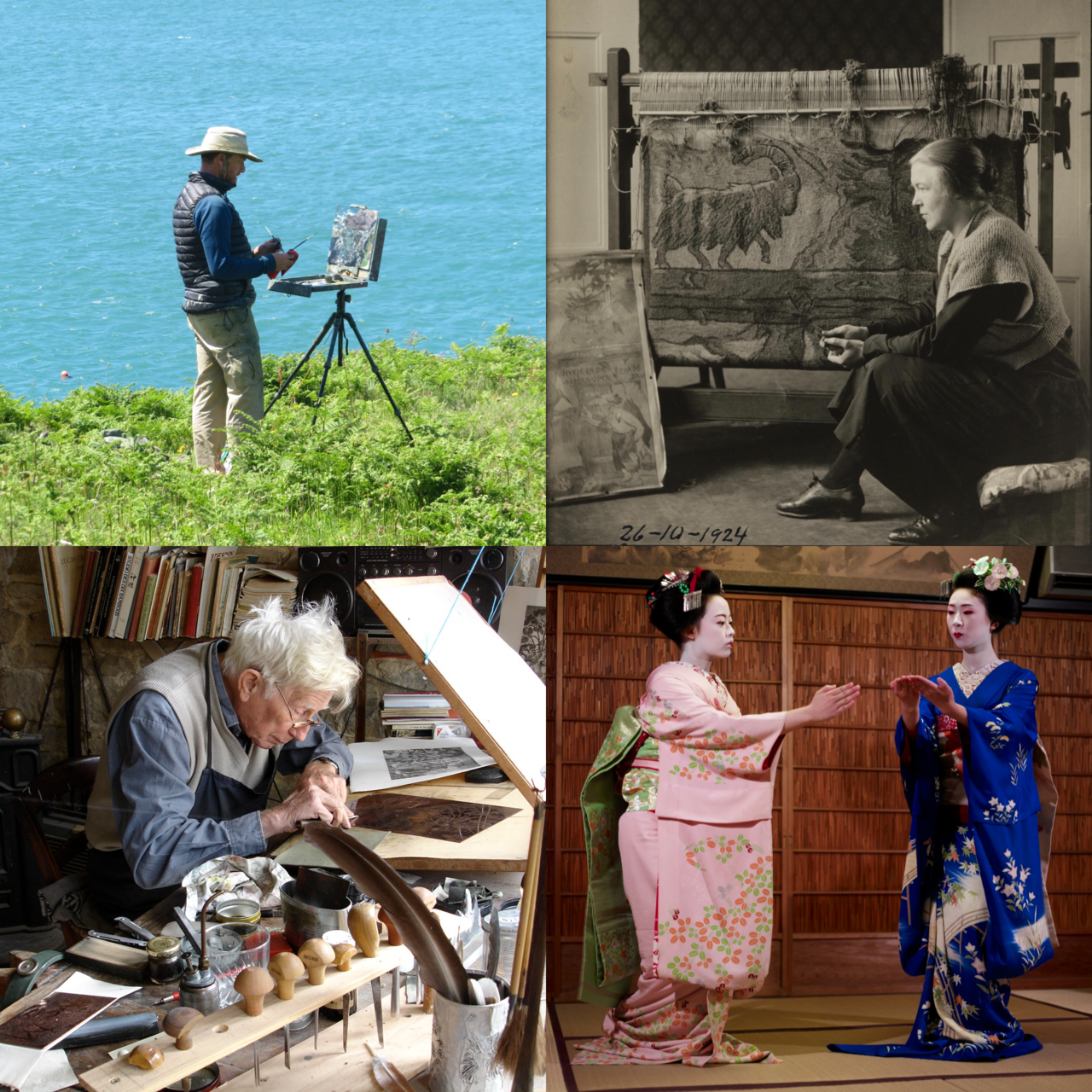
An Artist Is a Process: Unpacking the Creative Identity
The term "artist" often evokes a specific image: a painter at an easel, a sculptor chiseling stone, or perhaps a musician captivating an audience. Yet, beneath these common perceptions lies a far more profound and expansive reality. To be an
artist is not merely to produce a final work; it is to embark on a continuous journey of skill development, imaginative exploration, and intentional expression. An
artist is, at their core, a process—an evolving identity shaped by creation, observation, and relentless refinement.
Unraveling the Elusive Definition of an Artist
In everyday conversation, the word "artist" most frequently refers to practitioners within the visual arts – painters, illustrators, and sculptors. However, its scope stretches far beyond these boundaries. The entertainment industry widely embraces the term, applying it to actors, musicians, singers, and dancers, recognizing the artistic expressions inherent in their performances. Even writers, though more commonly labeled "authors," are undeniably artists, crafting narratives and evoking emotions with words. The French word
artiste once served a similar broad purpose in English, though it has largely become antiquated.
This broad usage highlights a fundamental challenge: the absence of a universally agreed-upon definition of "art" itself. If art’s boundaries are debated by philosophers and creators alike, then the identity of who truly qualifies as an
artist becomes inherently fluid and indeterminate. Is it someone with exceptional technical skill, or someone who provokes thought and emotion, regardless of traditional mastery? This ongoing conversation underscores that the definition of an artist is less a static declaration and more a dynamic dialogue, constantly shaped by cultural shifts and individual interpretations. To delve deeper into this fluidity, explore
Defining the Artist: Beyond Visual Arts to Diverse Mediums.
The DNA of Creation: Skill, Vision, and Expression
At the heart of an
artist's identity lies a potent combination of technical skill, imaginative vision, and intentional expression. The very origin of the word "artist" traces back to the Latin
ars, meaning "skill" or "craft," entering English usage around the 1580s to denote cultivators of fine arts distinct from mere craftsmen. This etymological root reminds us that mastery of a chosen medium is foundational. An artist isn't just someone with ideas, but someone capable of translating those ideas into tangible or perceptible forms.
However, mere technical proficiency does not an artist make. What elevates a skilled craftsperson to an
artist is the imaginative vision they bring to their work. This involves seeing beyond the obvious, reinterpreting reality, and conceiving something novel. Coupled with vision is intentional expression – the deliberate act of imbuing a creation with personal meaning, emotion, or a specific message. It's the artist's unique voice, their subjective experience, channeled into their output.
Psychological research offers further insights into the core traits often associated with artists. These include high openness to experience, a profound emotional sensitivity, a strong sense of independence, and often, a streak of nonconformity. These characteristics aren't merely accidental; they are crucial components of the creative process:
*
Openness to experience allows an artist to absorb new stimuli, embrace unconventional ideas, and constantly seek novel ways of seeing and doing.
*
Emotional sensitivity enables deep empathy and the ability to tap into a rich inner world, fueling authentic expression.
*
Independence empowers artists to forge their own paths, resist external pressures, and develop a unique aesthetic.
*
Nonconformity often drives artists to challenge existing norms, push boundaries, and innovate, leading to groundbreaking work.
While these traits are empirically linked to creative productivity, it's important to remember they don't universally predict external success or mental well-being. The artistic process is deeply personal and multifaceted. For more on these essential attributes, consider
What Makes an Artist? Skill, Vision, and Cultural Impact.
The Artist as a Cultural Catalyst and Innovator
Throughout history, artists have been far more than mere decorators of society; they have been its chroniclers, its provocateurs, and its seers. From ancient sculptors preserving mythological narratives and historical events to modern digital creators employing cutting-edge tools for social commentary, artists consistently drive cultural evolution. They challenge established norms, question prevailing ideologies, and offer new perspectives that can reshape collective understanding.
The profession, however, remains subject to ongoing debates over its definitional boundaries. Institutional preferences, often swayed by subjective or ideologically aligned interpretations, frequently dictate what "counts" as art or who is considered a legitimate
artist. This dynamic interplay between individual creation and societal validation highlights the continuous process of re-evaluation that surrounds the artistic identity. An
artist's impact isn't always immediately recognized; sometimes, their true influence only becomes clear with the passage of time, demonstrating that their process outlives immediate reception.
Embracing the Artistic Process: Nurturing Your Creative Identity
If being an
artist is a process, how does one engage with and cultivate that process? It's less about waiting for a lightning bolt of inspiration and more about consistent engagement with creation, learning, and self-discovery. Here are practical steps to nurture your inner artist:
- Cultivate Relentless Curiosity and Openness: Actively seek out new experiences, ideas, and perspectives. Read widely, travel, observe the mundane with fresh eyes. This fuels your imagination and provides a wellspring of inspiration, aligning with the "openness to experience" trait.
- Master Your Craft Through Deliberate Practice: Technical skill is rarely innate; it's meticulously developed. Dedicate time to practice your chosen medium consistently. Learn from masters, experiment with new techniques, and relentlessly refine your abilities. This is the "skill" from ars in action.
- Hone Your Unique Vision: Pay close attention to your inner world and how you interpret the external one. What excites you? What questions do you have? What stories only *you* can tell? Developing a unique perspective is crucial for impactful expression.
- Embrace Experimentation and Learn from "Failure": The creative process is rarely linear. Be willing to try new things, make mistakes, and deviate from plans. Often, the most profound discoveries emerge from what initially seems like an error. Failure isn't a dead end; it's a data point in your artistic journey.
- Find Your Authentic Voice and Express Intentionally: Don't just imitate; ask yourself what you genuinely want to communicate. What emotions, ideas, or messages do you want to convey? Authenticity resonates deeply and is the hallmark of genuine artistic expression.
- Seek Feedback and Engage with Community (Wisely): Share your work, listen to constructive criticism, and engage with other creators. While maintaining your independence and unique vision, external perspectives can offer valuable insights and push your process forward.
- Develop Resilience: The artistic path can be challenging, filled with rejections, self-doubt, and periods of creative block. Cultivate mental fortitude and perseverance. Understand that these challenges are part of the process, not a sign of your inadequacy.
Being an
artist is a continuous act of becoming. It's about showing up, doing the work, embracing the uncertainty, and allowing yourself to evolve. The finished artwork, poem, song, or performance is a significant milestone, a snapshot of a particular moment in time. However, the true essence of the artist lies not in that static product, but in the ongoing, dynamic process of creation itself—a lifelong commitment to exploration, skill development, and authentic self-expression. It is through this perpetual engagement that the creative identity truly unfolds.